
LookWhatMomFound LWMFCrafts: Fun Activities, New Ideas, and Things to Do with Family
Nowadays, everyone is very busy with their work. Because of this, family members do not get much opportunity to sit together and spend time. But if we do […]

The Overnight Parking Myth That Keeps Sydney Travellers Circling the Terminal
You might be wondering if leaving your car at the airport overnight is even allowed, especially if you’ve ever circled the terminal at 11 pm trying to decide. […]
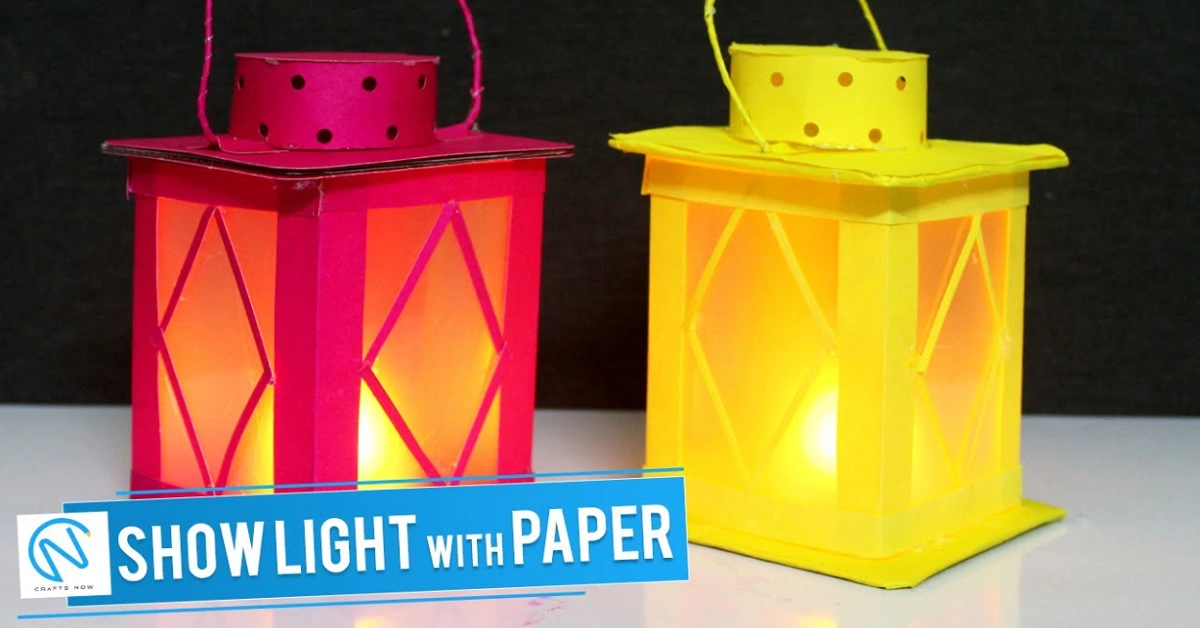
Light Crafts LWMFCrafts: Creative Ideas for Simple and Beautiful Crafts
Everyone in the home, especially older children, should learn how to do things well. Their creative thinking should not remain limited, but should go much further. Light Crafts […]

What Can Crafters Learn About Visual Composition From Graphic Design?
Crafting and graphic design may seem like different creative fields, but they share one important goal. Both aim to communicate an idea through visual elements. Whether you design […]
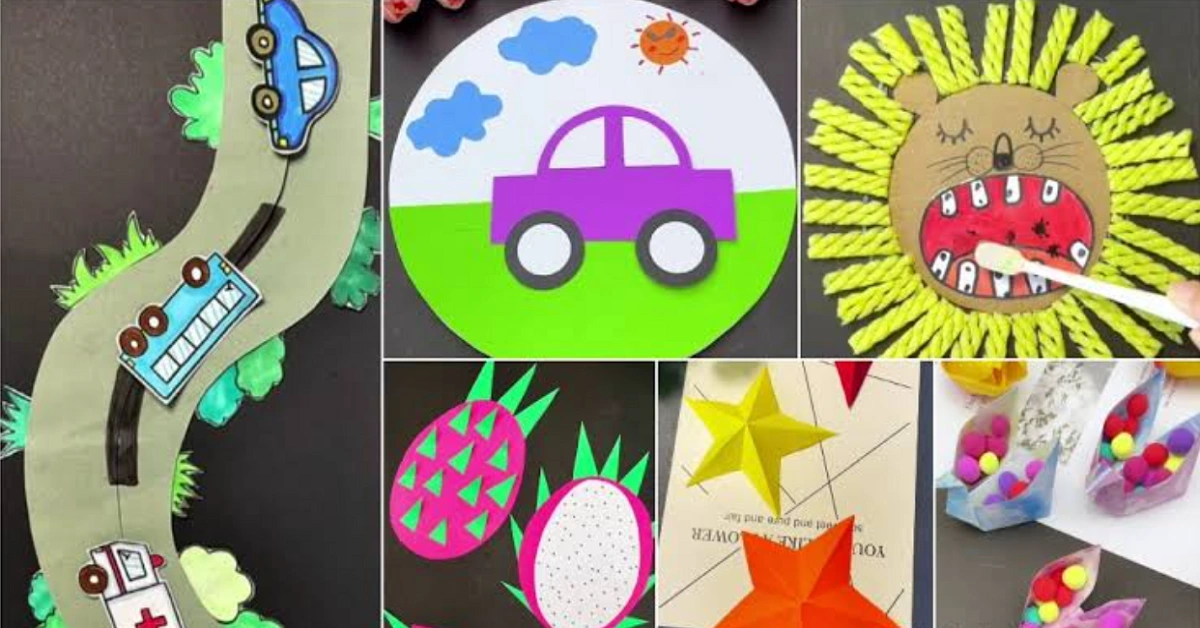
Playful Crafts Lwmfcrafts: Creative Ideas for Fun and Imagination
For children, play is not only a means of entertainment or passing time. Through play, children learn many things that are useful in their daily lives. When a […]
Nowadays, everyone is very busy with their work. Because of this, family members do not get much opportunity to sit together and spend time. But…
You might be wondering if leaving your car at the airport overnight is even allowed, especially if you’ve ever circled the terminal at 11 pm…
Everyone in the home, especially older children, should learn how to do things well. Their creative thinking should not remain limited, but should go much…
Crafting and graphic design may seem like different creative fields, but they share one important goal. Both aim to communicate an idea through visual elements.…
For children, play is not only a means of entertainment or passing time. Through play, children learn many things that are useful in their daily…
Fast Crafts Lwmfcrafts: An Easy Way to Make Quick, Beautiful, and Useful Crafts from Waste Materials
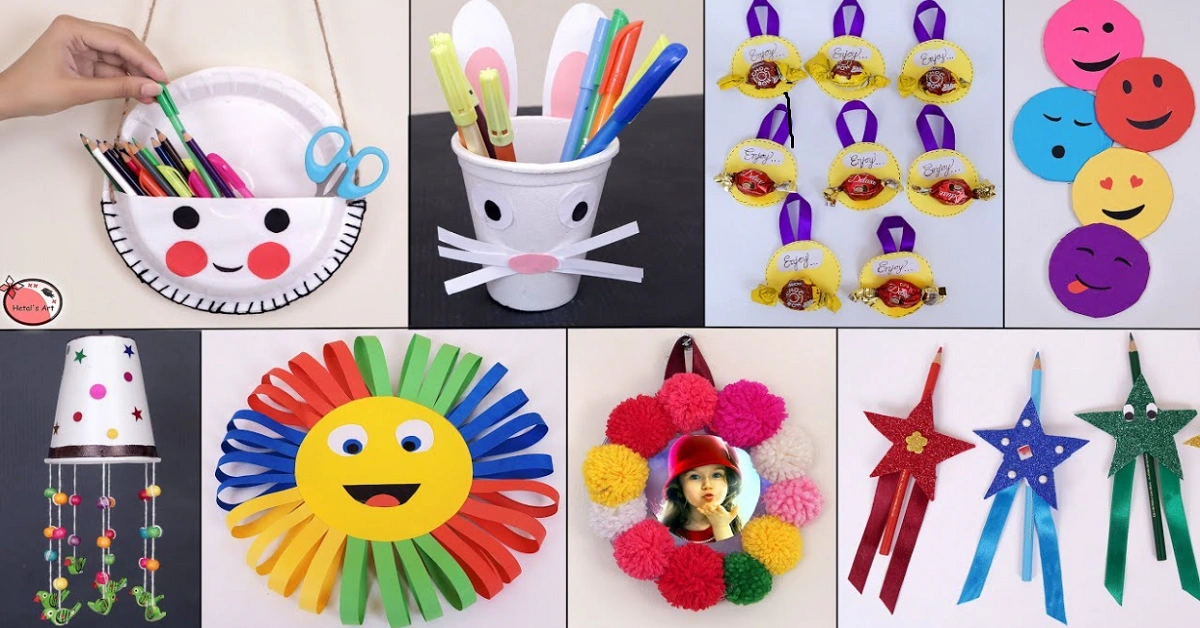
Have you ever thought about making something quickly from a few waste materials lying around the house that looks very beautiful, is highly durable, and…
Indoor Activities LWMFCrafts: Creative Ways to Keep Children Active, Curious, and Engaged at Home
The Direct Answer
Can children stay active, creative, and mentally engaged without spending most of their free time on mobile phones, television, laptops, or computers?
Yes. Children can learn, play, create, and develop important life skills through simple indoor activities at home. Screen-based entertainment can be convenient, but making it the main source of a child’s free time may reduce opportunities for physical movement, creative thinking, communication, and independent problem-solving.
This is where indoor activities lwmfcrafts can offer a different approach. Creative crafts, playful games, simple challenges, drawing, building, and hands-on projects can turn ordinary time at home into an opportunity for learning. If you want to learn more easily you should click on this link.
The goal is not to remove screens completely. The real goal is to create a healthy balance where children have enough opportunities to explore the world beyond a screen.
Children do not always need expensive toys or complicated activities. Sometimes, the simplest idea can create the most meaningful learning experience.
Why Screen Time Should Not Be the Only Indoor Entertainment
Mobile phones, television, laptops, and computers have become common parts of family life. Children can watch educational videos, play games, communicate with others, and discover new information through technology.
However, when most indoor free time revolves around screens, children may have fewer opportunities to use their hands, move their bodies, interact with family members, and create something from their own imagination.
A child who spends an afternoon building something with paper and cardboard is doing more than simply passing time. The child is deciding what to make, thinking about how different pieces should fit together, making mistakes, and trying again.
That process matters.
Entertainment becomes more valuable when it also creates opportunities for thinking and learning.
Parents can therefore introduce different activities throughout the week rather than depending on one form of entertainment. A few minutes of drawing, a simple craft project, a puzzle, or a family game can provide a welcome change from passive screen consumption.
If you want to learn more easily you should click on this link.
The Hidden Value of Creative Indoor Activities
Many parents look at crafts and games as ways to keep children busy. But their value goes much further.
A well-chosen activity can encourage a child to:
- Think creatively
- Understand instructions
- Make independent decisions
- Solve simple problems
- Communicate ideas
- Practice patience
- Develop responsibility
- Build confidence
- Improve hand-eye coordination
- Explore new interests
This is why creative activities lwmfcrafts can become part of a child’s regular routine rather than something reserved only for weekends or holidays.
The activity does not need to produce a perfect final result.
In fact, the learning often happens while the child is making mistakes.
The process can be more important than the finished craft.
When a child cuts something incorrectly, chooses the wrong material, or discovers that an idea does not work, parents can encourage the child to find another solution instead of immediately fixing the problem.
That small moment can teach persistence.
Parents Should Become Part of the Activity
One of the strongest points about indoor activities is that parents do not have to remain outside the experience.
Children often learn more effectively when parents participate, ask questions, encourage experimentation, and show genuine interest in what they are doing.
For example, instead of giving a child a craft and saying, “Make this,” a parent can ask:
“What do you think we can make with these materials?”
That question changes the experience.
Now the child has to think.
The parent can then ask:
“What should we do if this part does not fit?”
Again, the child has an opportunity to solve a problem.
This type of interaction can build confidence because children learn that their ideas have value.
Parents do not need to control every step. Their role can simply be to provide support and guidance while allowing children enough freedom to make their own decisions.
Guide the child, but leave enough room for the child to discover.
Inventive LWMFCrafts and the Power of Imagination
Children naturally have strong imaginations. A cardboard box can become a house, a paper plate can become a character, and a few colored papers can become almost anything a child can imagine. If you want to learn more you should click on this link.
The idea behind inventive lwmfcrafts fits naturally into this kind of learning.
Inventive activities encourage children to look at ordinary materials differently. Instead of seeing an empty box as something to throw away, a child may see a car, a robot, a miniature room, or a pretend shop.
That imaginative transformation is valuable.
It encourages children to ask:
“What else could this be?”
This question is at the heart of creative thinking.
Parents can support this by keeping a small collection of safe craft materials at home, such as paper, cardboard, crayons, pencils, glue, child-safe scissors, recycled containers, and colorful sheets.
The purpose is not to create perfect Pinterest-style crafts.
The purpose is to give children materials that allow them to experiment.
How to Make Playful Activities LWMFCrafts More Meaningful
Parents sometimes believe that a meaningful activity has to be educational in an obvious way. It does not.
Children can learn through play without realizing that they are learning.
When thinking about how to make playful activities lwmfcrafts, parents can follow a simple approach:
1. Start With Something Familiar
Choose an object or idea that already interests the child.
Animals, cars, superheroes, houses, space, nature, food, and family members can all become starting points for creative projects.
2. Add a Small Challenge
Instead of asking children only to copy something, give them a problem.
For example:
“Can you build a paper bridge that can hold three small toys?”
Now the activity involves creativity and problem-solving.
3. Let Children Experiment
Do not correct every mistake immediately.
Allow children to test different ideas and discover what works.
4. Ask Questions
Simple questions can make an activity more interactive.
“What would happen if we changed this?”
“Can you think of another way?”
“Why did this part fall?”
5. Celebrate Effort
The goal should not always be perfection.
Praise creativity, patience, effort, and problem-solving.
When children feel safe making mistakes, they become more willing to try difficult things.
Fast Crafts for Busy Days
Not every family has several hours available for crafts.
Parents may have work, household responsibilities, school schedules, and other commitments. That does not mean creative activities have to disappear from the routine. If you want to learn it more easily you should click on this link.
Fast crafts lwmfcrafts can be useful when time is limited.
A quick activity can take only 10 to 20 minutes.
For example, children can:
- Create a paper animal
- Design a bookmark
- Draw a funny character
- Make a paper crown
- Decorate a recycled container
- Create a simple collage
- Build a small paper house
- Design their own greeting card
- Make a family drawing
- Create a pretend menu
The important thing is consistency.
A short creative activity can still give a child an opportunity to think independently.
You do not need an entire afternoon to create a meaningful learning moment.
Playful Crafts Can Turn Learning Into Fun
Children generally respond well when learning does not feel like a formal lesson.
This is where playful crafts lwmfcrafts can be particularly useful.
Suppose a child is learning about colors. Instead of simply memorizing color names, parents can ask the child to create a picture using only three colors.
If a child is learning numbers, parents can turn a craft into a counting activity.
If a child is learning about animals, the child can create an animal and then talk about where it lives, what it eats, and how it moves.
One activity can therefore support multiple forms of learning.
Play does not compete with learning. For children, play can be one of the ways learning happens naturally.
Light Crafts for a Calm Indoor Routine
Not every activity needs to be energetic.
Sometimes children need quieter activities that allow them to slow down, concentrate, and work independently. If you want to learn it more easily you should click on this link.
This is where light crafts lwmfcrafts can become part of a calm home routine.
Simple drawing, coloring, paper folding, decorating, or creating small paper designs can provide a peaceful break from noisy entertainment.
These activities can also encourage concentration.
A child who carefully colors a picture or arranges pieces of paper into a design has to pay attention to what they are doing.
Parents can use these quieter activities after school, before bedtime, or during a relaxed family afternoon.
The objective is not to fill every minute of a child’s day.
Children also need moments when they can slow down and focus on one simple thing.
The Physical Side of Indoor Activities
Creative development is important, but children also need movement.
Being indoors does not mean children have to remain seated all day.
Parents can introduce simple movement-based activities that encourage children to walk, stretch, balance, dance, or move around safely.
For example:
- Indoor treasure hunts
- Balloon games
- Simple obstacle courses
- Follow-the-leader activities
- Music and movement games
- Balance challenges
- Indoor bowling with safe objects
- Animal movement games
These activities can provide a break between quieter creative projects.
A balanced indoor routine can therefore include both mental activity and physical movement.
This matters because children need opportunities to use their bodies as well as their minds.
Creative Activities and Problem-Solving Skills
One of the biggest benefits of hands-on activities is the opportunity to solve problems.
Consider a child building a small structure from cardboard.
The structure falls.
The child now has a choice.
Give up?
Ask for help?
Or try another design?
If parents immediately rebuild it for the child, the problem disappears but the learning opportunity also disappears.
Instead, a parent can say:
“What do you think made it fall?”
This encourages the child to analyze the situation.
Maybe the base was too narrow.
Maybe the pieces were not connected properly.
Maybe the structure was too tall.
The child then makes another attempt.
This is practical problem-solving.
Children do not develop problem-solving skills only by being told how to solve problems. They develop them by actually experiencing problems.
The Role of Independence and Responsibility
Indoor activities can also help children become more independent.
Parents can give children small responsibilities before and after an activity.
For example, children can choose the materials they need, prepare their workspace, organize the supplies, and clean everything afterward. If you want to learn it more easily should click on this link.
These simple tasks communicate an important message:
“You are capable of taking care of your own work.”
Over time, children may become more comfortable making decisions without waiting for adults to provide every answer.
Independence does not mean leaving children completely on their own.
It means giving them age-appropriate opportunities to make choices while parents remain available for guidance.
This can support both confidence and responsibility.
A Simple Comparison: Screen Time vs. Meaningful Indoor Activities
| Area | Mostly Screen-Based Time | Meaningful Indoor Activities |
| Creativity | Often limited to what the content provides | Children create their own ideas |
| Physical movement | Usually limited | Can include movement and hands-on work |
| Problem-solving | Depends on the activity | Naturally included in many crafts and games |
| Family interaction | Can be passive | Parents and children can participate together |
| Independence | May vary | Children can make their own choices |
| Communication | Often one-way | Encourages discussion and cooperation |
| Learning | Usually content-based | Can involve practical learning |
| Confidence | Depends on experience | Builds through completing tasks and solving problems |
The point is not that every screen-based activity is bad.
The point is balance.
Children can benefit from technology while also needing opportunities to create, move, talk, imagine, and solve problems without depending on a screen.
How Parents Can Build an Indoor Activity Routine
Parents do not need a complicated schedule.
A simple weekly approach can be enough.
Monday: Creative Time
Let children draw, color, design, or create something from paper.
Tuesday: Building Challenge
Use cardboard, blocks, cups, or other safe materials to create a structure.
Wednesday: Movement Day
Introduce an indoor treasure hunt, obstacle course, or movement game.
Thursday: Family Craft
Parents and children work together on one simple project.
Friday: Problem-Solving Game
Use puzzles, riddles, building challenges, or sorting activities.
Saturday: Inventive Project
Give children a collection of materials and allow them to decide what to make.
Sunday: Free Creativity
Let children choose their favorite activity from the week.
This routine does not need to be followed perfectly.
The objective is to make meaningful activities normal, not occasional.
The LWMFCrafts Approach: Create, Play, Think
The ideas connected with lwmfcrafts can be organized around three simple principles.
Create
Give children materials and encourage them to make something.
Play
Make the experience enjoyable enough that children want to participate.
Think
Add questions and small challenges that encourage children to reason and solve problems.
This approach transforms a simple craft into a broader learning experience.
A paper project becomes a design challenge.
A game becomes a communication opportunity.
A building activity becomes a problem-solving exercise.
The best activity is not necessarily the most complicated one. It is the one that gives the child something meaningful to do, think about, and discover.
What Makes an Indoor Activity Successful?
Parents sometimes judge an activity by the final result.
Was the craft beautiful?
Did the child follow every instruction?
Did it look like the example?
These are not always the best questions.
A better set of questions is:
- Did the child enjoy participating?
- Did the child make any independent choices?
- Did the activity encourage creativity?
- Did the child learn something new?
- Did the child communicate an idea?
- Did the child solve a small problem?
- Did the parent and child spend meaningful time together?
If the answer to several of these questions is yes, the activity has already achieved something valuable. If you want to learn it more easily you should click on this link.
The goal is development, not perfection.
The Importance of Family Bonding
Perhaps one of the most overlooked benefits of indoor activities is family connection.
Modern family life can become busy very quickly. Parents have work responsibilities, children have school and homework, and everyone has access to their own screens.
A shared activity creates a reason to sit together.
Parents can laugh with their children, listen to their ideas, help them when necessary, and discover what interests them.
These moments can become meaningful memories.
A child may forget exactly what they watched on a particular afternoon.
They may remember building something with their mother or father.
That is why activities brought to you by lookwhatmomfound lwmfcrafts can be viewed not simply as craft ideas but as opportunities for interaction and shared experiences.
Sometimes the real product of an activity is not the craft. It is the connection created while making it.
Five Ways to Encourage More Creativity at Home
1. Keep Basic Materials Available
A small box of paper, crayons, pencils, cardboard, glue, and safe craft supplies can encourage spontaneous creativity.
2. Avoid Giving Every Answer
When children ask how to solve something, try asking what they think first.
3. Allow Imperfect Results
A strange-looking craft can still represent excellent creative thinking.
4. Give Choices
Let children choose between two or three activities rather than always deciding for them.
5. Participate Without Taking Over
Help when needed, but allow children to own their projects.
These small changes can make indoor activities much more effective.
Why Creativity Matters Beyond Childhood
Creative thinking is not useful only for making crafts.
As children grow, they face different kinds of problems at school, in relationships, and eventually in professional life.
The ability to look at a problem from another angle can become valuable in many situations.
When children practice asking questions, testing ideas, accepting mistakes, and trying again, they develop habits that can support them later.
This is why creative activities lwmfcrafts have value beyond simple entertainment.
The activity may last twenty minutes.
The habit of creative thinking can last much longer.
Final Pro Tip: Replace “Keep Them Busy” With “Give Them Something to Discover”
Parents often say they need an activity to keep children busy.
That is understandable.
But there is a better mindset.
Instead of asking:
“How can I keep my child busy for the next hour?”
Ask:
“What can my child discover during the next hour?”
That small change can completely transform the activity.
A child can discover how colors mix.
They can discover why a structure falls.
They can discover that cardboard can become a toy.
They can discover that their own idea can become something real.
And perhaps most importantly, they can discover that they are capable of creating something without a screen telling them what to do.
That is the real value of meaningful indoor activities.
Final Checklist for Parents
Before choosing an indoor activity, parents can use this simple checklist:
- Does the activity give the child an opportunity to think?
- Can the child make at least one independent choice?
- Does it encourage creativity or imagination?
- Does it involve hands-on participation?
- Can it include some form of problem-solving?
- Can parents participate or guide when necessary?
- Does it provide a healthy break from screen time?
- Can the child learn something through play?
- Is the activity suitable for the child’s age and abilities?
- Can it become part of a regular family routine?
If most of these answers are yes, you probably have a meaningful activity rather than just another way to fill time. If you want to learn more easily you should click on this link.
Conclusion
Children need entertainment, but they also need opportunities to think, move, create, communicate, and discover. Mobile phones, television, laptops, and computers can have a useful place in family life, but they should not become the only source of indoor entertainment.
Simple indoor activities lwmfcrafts, fast crafts lwmfcrafts, playful crafts lwmfcrafts, and light crafts lwmfcrafts can give children valuable opportunities to explore their creativity while developing thinking, learning, and problem-solving skills.
When parents participate and guide children instead of simply giving them an activity, the benefits can become even stronger. Children gain confidence, practice independence, learn responsibility, and develop a willingness to experiment.
Most importantly, these activities can bring families together.
A home does not need expensive equipment to become a place of learning and creativity. Sometimes, a few simple materials, a little imagination, and a parent willing to participate are enough to turn an ordinary afternoon into something meaningful.
For more information click here.